Circle Reading
Private general and colorectal consultations
View availability and book
Mr Daniel Hancu is a consultant general & colorectal surgeon at the Royal Berkshire Hospital, treating patients at Circle Reading, Spire Dunedin and Berkshire Independent hospitals. Keyhole and open surgery for hernia, gallbladder, bowel and anal conditions.
Mr Daniel Hancu · Royal Berkshire Hospital
Mr Daniel Hancu is a Consultant in General and Colorectal Surgery at the Royal Berkshire Hospital. He offers private consultations for self-referred patients and those referred by their GP, as well as NHS appointments via GP referral.
He specialises in laparoscopic (keyhole) surgery for hernias, gallbladder disease, bowel conditions and adhesions. His practice includes haemorrhoids, anal fissures, fistula-in-ano, inflammatory bowel disease, abdominal wall and groin hernias, and lower gastrointestinal endoscopy, including colonoscopy and flexible sigmoidoscopy.
He has a particular interest in pilonidal surgery, fistula-in-ano, abdominal wall reconstruction and parastomal hernia repair.
Mr Hancu studied medicine in Romania, qualifying as a doctor in 2004. He completed surgical training in general surgery across Romania and the UK and became a consultant in general surgery in 2013. He subsequently worked in UK hospitals in colorectal Specialist Registrar and fellowship roles.
He completed two surgical fellowships: one with the Inflammatory Bowel Disease (IBD) team in Oxford and another as a laparoscopic fellow at the Royal Berkshire Hospital.
In 2021, he was appointed Consultant in Emergency, General and Colorectal Surgery at the Royal Berkshire Hospital. He also serves as an Honorary Senior Lecturer for Southampton medical students based at the hospital.
View availability and book through the hospital of your choice. NHS appointments require a GP referral.
Private general and colorectal consultations
View availability and bookMonday evening appointments available. For enquiries, email hancuspiresecretary@gmail.com.
View availability and bookPrivate appointments in Reading, Berkshire
View availability and bookFinding it difficult to take time off work? Monday evening consultations are available at Spire Dunedin Hospital.
Concerned about waiting for surgery? Additional theatre lists may be arranged on demand to help eligible patients access surgery sooner, subject to availability.
Self-paying? Berkshire Surgery offers competitive pricing for self-paying patients. Please enquire for an individual quotation.
We welcome patients with private medical insurance. Please check with your insurer that your policy covers your consultation or treatment, and obtain authorisation before booking.






Cover and consultant recognition may vary by policy and hospital. Please confirm directly with your insurer before your appointment.
Choose a condition to see the typical signs, how it is diagnosed, the treatment options and what surgery involves. This is general information and does not replace a consultation.
Two people with the same diagnosis can need very different treatment. The plan is built around your symptoms, your work, your family and what matters to you, and it is reviewed at every step rather than fixed at the start. If the honest answer is that nothing needs to be done, that is what you will be told.
No jargon, no rushing. You leave knowing what is wrong, what the options are, and what happens next.
Watchful waiting is often the right answer. Surgery is recommended only when it offers you a real benefit.
Keyhole surgery wherever it is safe, and open surgery where it gives the better result. Times below are typical. The exact plan for your operation is confirmed in writing at your pre-operative assessment.
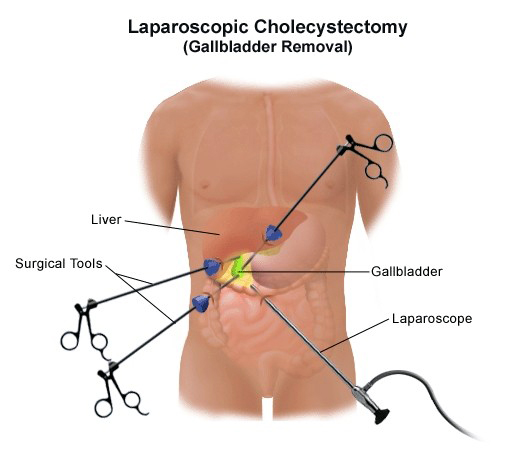
The gallbladder is removed through small cuts using a camera and fine instruments.
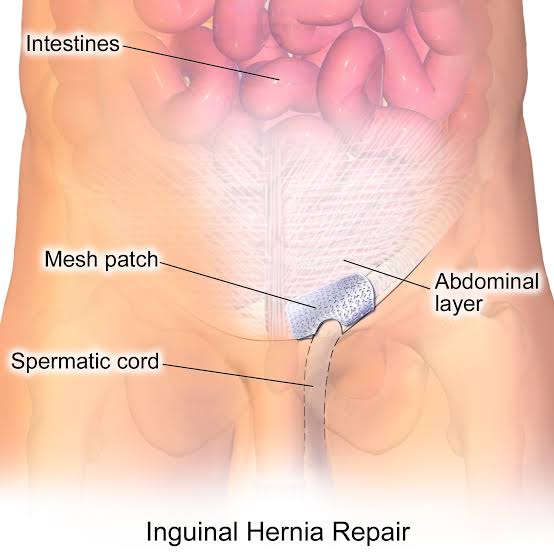
A hernia is repaired and reinforced, using a keyhole or open approach as appropriate.
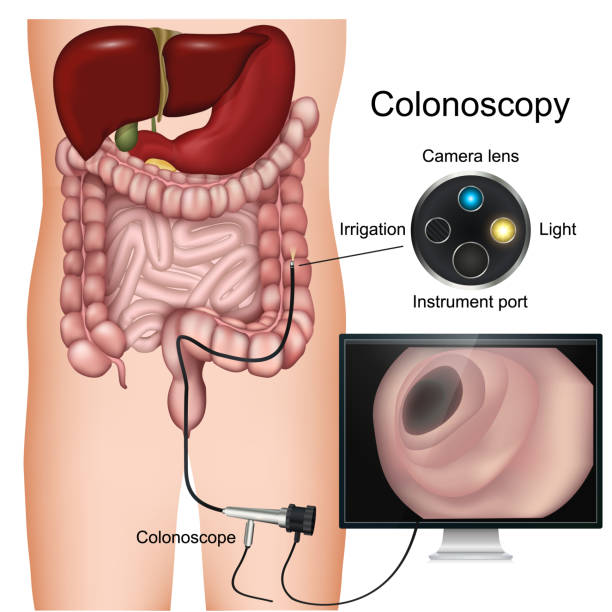
A flexible camera examines the colon. Polyps may be removed during the procedure.
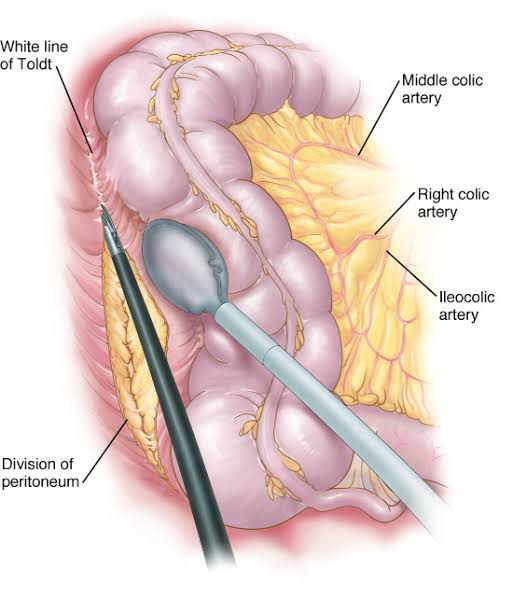
The diseased segment of bowel is removed and the two ends rejoined, usually by keyhole surgery. Recovery varies by patient.
Treatment may range from clinic procedures to surgery. The choice depends on your symptoms and examination.
Clear explanations of what each treatment involves and when it may be considered. Select any treatment to read more.
The abdominal wall is made of muscles and connective tissue that support the organs in your abdomen. Previous operations, injury or disease can weaken this structure and allow a hernia to develop.
Reconstruction may be considered for a large or complex abdominal wall hernia, especially when it causes discomfort or affects everyday activities.
A tailored reconstruction may use advanced surgical meshes, either open or laparoscopic surgery, and sometimes abdominal wall muscle release. Selected complex cases benefit from preoperative optimisation and Botox injections into the abdominal muscles around 2 to 6 weeks before surgery. Recovery care is planned individually.
Further procedure informationAn abscess is a pocket of infection that can cause painful swelling, redness and sometimes fever. It may occur near the anus or elsewhere in the skin and soft tissues.
Drainage is often needed when an abscess has formed because antibiotics alone may not clear a collection of pus.
A small opening is made to drain the infection. The wound may be left open to heal, and follow-up may be needed to check for an underlying cause, particularly with perianal abscesses.
Further procedure informationAn anal fistula is a small tract that can develop after an abscess. It may cause recurrent discharge, irritation, pain or swelling near the anus.
Treatment is considered when symptoms persist or infections recur. The position of the tract relative to the sphincter muscles is important.
Many simple fistulas can heal after a single lay-open operation. Complex fistulas may require staged procedures, often starting with a temporary seton, followed by a sphincter-preserving approach such as LIFT, a fistula plug or an advancement flap. The aim is healing while protecting continence.
Further procedure informationA loop colostomy diverts stool through an opening in the abdomen into a stoma bag, often to protect bowel healing after another operation.
Reversal may be considered once the underlying condition has settled and the bowel is suitable for reconnection.
The surgeon closes the stoma and rejoins the bowel. Bowel habits can take time to settle and the operation has risks that will be discussed beforehand.
Further procedure informationA loop ileostomy brings part of the small bowel to the abdominal surface, temporarily diverting waste into a stoma bag.
Closure is considered when the protected bowel connection has healed and the patient is fit for another procedure.
The small bowel is reconnected and the stoma opening closed. Temporary changes in bowel frequency and consistency are common during recovery.
Further procedure informationA colectomy removes part or, in selected circumstances, all of the colon. It can be used to treat certain cancers, severe diverticular disease, inflammation or other bowel problems.
The decision depends on symptoms, investigation results and whether medicines or less invasive treatments are suitable.
Surgery may be performed through keyhole or open incisions. The healthy bowel ends are often joined, although a temporary or permanent stoma is sometimes required.
Further procedure informationBowel resection is an operation to remove a segment of intestine affected by disease, obstruction, injury or another problem.
It may be recommended when the affected bowel cannot be treated safely with medication or an endoscopic procedure.
The diseased segment is removed and the remaining bowel is joined where safe. Sometimes a stoma is needed; the surgeon explains this possibility before treatment.
Adhesions are bands of scar tissue that can form after abdominal surgery or inflammation and may cause organs or loops of bowel to stick together.
Surgery may be considered in selected cases, particularly when adhesions cause bowel obstruction. It is not routinely appropriate for every episode of abdominal pain.
Using small incisions and a camera, the surgeon carefully divides adhesions. The benefits must be balanced against the risk of bowel injury and new adhesions.
A parastomal hernia develops when tissue bulges through the abdominal wall beside a colostomy or ileostomy. It may cause discomfort or difficulty fitting a stoma appliance.
Repair may be considered for troublesome symptoms, appliance problems or certain complications.
Surgery reinforces the weakened area, often using mesh. The precise technique depends on the stoma, previous operations and individual circumstances.
A colonoscopy uses a flexible camera to inspect the lining of the colon. It helps investigate bleeding, changes in bowel habit, unexplained symptoms and some screening findings.
It may be recommended when a direct view of the bowel is needed to clarify a diagnosis or assess an existing condition.
After bowel preparation, the camera is passed through the back passage. Biopsies may be taken and some polyps can be removed during the examination.
Further procedure informationAn epigastric hernia occurs through a weak point in the abdominal wall between the breastbone and the belly button. It may appear as a lump or cause discomfort.
Surgery may be offered when the hernia is painful, enlarging or otherwise troublesome.
The protruding tissue is returned and the opening repaired, sometimes with mesh reinforcement. The technique depends on the defect size and symptoms.
Further procedure informationA femoral hernia develops when tissue pushes through a weak area just below the groin crease. It may cause a small lump or discomfort.
Femoral hernias are often repaired because they have a relatively higher risk of trapping bowel.
The hernia contents are returned and the opening repaired using an open or keyhole approach, depending on clinical circumstances.
Further procedure informationFlexible sigmoidoscopy allows the surgeon to examine the lower part of the large bowel using a slim, flexible camera.
It can help investigate rectal bleeding, changes in bowel habit, inflammation or other lower bowel symptoms.
The camera is passed through the back passage. Small tissue samples may be taken and some abnormalities treated during the examination.
Further procedure informationThe gallbladder stores bile. Gallstones can sometimes block bile flow and cause episodes of upper abdominal pain or inflammation.
Removal may be recommended for repeated painful gallstone attacks, gallbladder inflammation or selected related complications.
The gallbladder is usually removed through small keyhole incisions. Most people can live normally without it, although recovery and digestive changes vary.
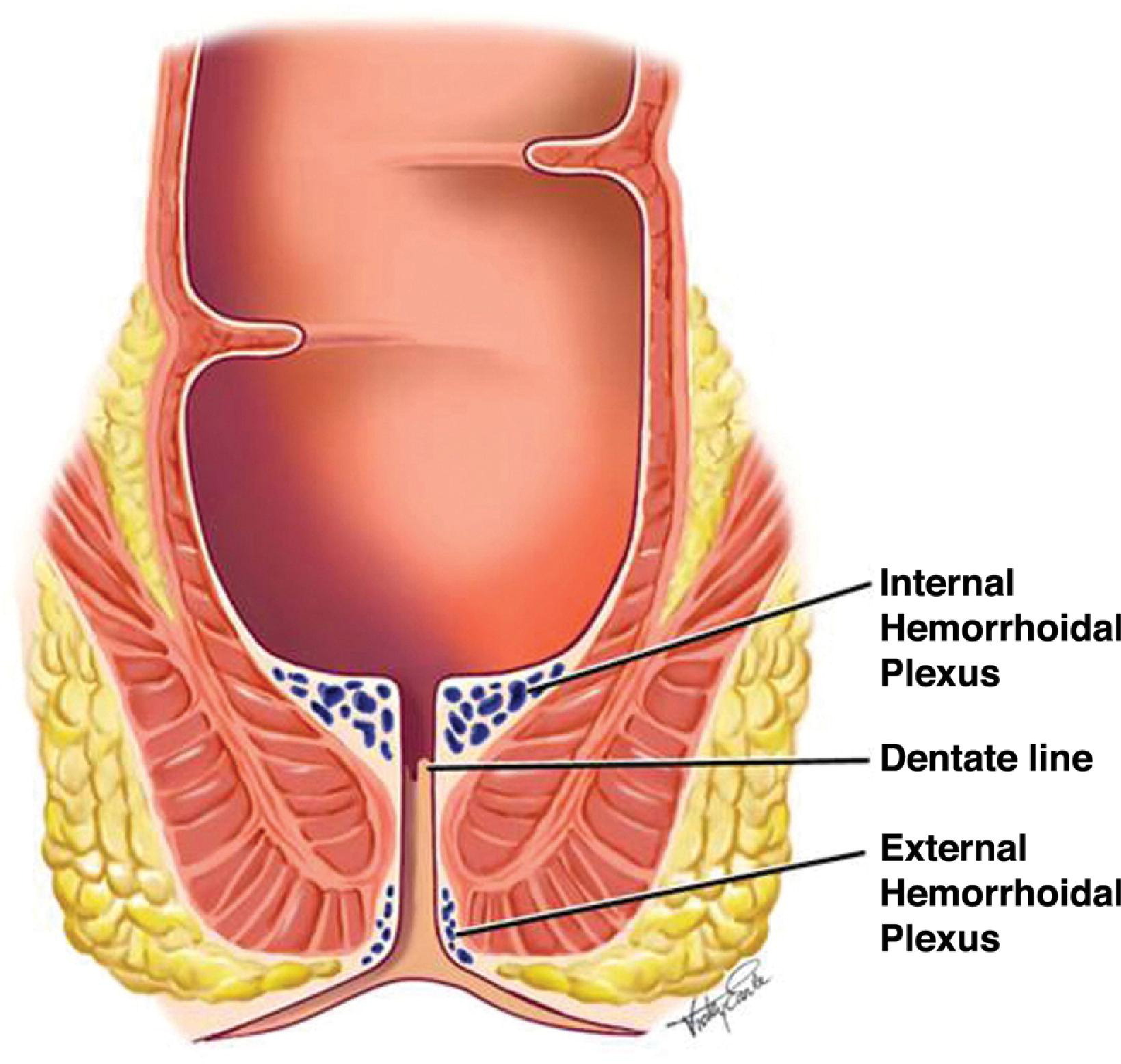
Further procedure informationHaemorrhoids are enlarged vascular cushions around the anal canal that can cause bleeding or prolapse.
HALO may be considered for selected symptomatic internal haemorrhoids after assessment and discussion of non-surgical options.
Using a specialised instrument, the surgeon places stitches to reduce blood flow to the haemorrhoids. Additional stitches may lift prolapsing tissue when appropriate.
Further procedure informationHaemorrhoids, commonly called piles, can cause bleeding, swelling, discomfort or tissue that protrudes from the anus.
Surgery may be considered for large or persistent haemorrhoids when other treatments have not helped or are unsuitable.
The affected haemorrhoidal tissue is removed. Pain management, wound care and keeping stools soft are important during recovery.
Further procedure informationAn incisional hernia occurs when tissue bulges through a weakened area of the abdominal wall at the site of an earlier operation.
Repair may be considered if the hernia causes pain, enlarges or affects daily life, or when there is concern about complications.
The abdominal wall defect is repaired using open or keyhole surgery, often with mesh reinforcement. The approach is tailored to the hernia and previous operations.
Further procedure informationIBS is a common condition associated with abdominal pain, bloating and changes in bowel habit. Symptoms can vary over time.
A clinical review helps identify likely IBS and assess whether investigations are needed to exclude other conditions.
Treatment usually involves dietary and lifestyle adjustments, symptom-directed medicines and sometimes specialist support. Surgery is not a treatment for IBS itself.
Further procedure informationAn anal fissure is a small tear in the lining of the anal canal that can cause sharp pain and bleeding during bowel movements.
This operation may be considered for a chronic fissure that has not responded to appropriate non-surgical treatments.
A small part of the internal anal sphincter muscle is divided to reduce spasm and help the fissure heal. The potential effect on continence must be discussed.
Further procedure informationA pilonidal sinus is a small tunnel or cavity in the skin, usually near the top of the buttock cleft, that may become inflamed or infected.
Surgery may be considered for repeated infection, persistent discharge or troublesome disease.
A modern off-midline cleft lift procedure may be offered for suitable patients. It aims to improve healing and cosmetic appearance by reshaping the cleft and removing diseased tissue. Outcomes depend on the individual case.
Further procedure informationRectal prolapse occurs when part or all of the rectal wall slips down and may protrude outside the anus. It can cause leakage, discomfort or difficulty passing stools.
Surgery may be recommended for persistent or significant prolapse, depending on symptoms and general health.
Repair can be performed through the abdomen or perineum. The surgeon selects an approach based on anatomy, health and the expected benefits and risks.
Further procedure informationDiverticula are small pouches in the bowel wall. Some people develop repeated inflammation, narrowing or other complications, particularly in the sigmoid colon.
Surgery is considered individually when episodes or complications significantly affect health or quality of life.
The affected sigmoid bowel is removed, often using keyhole surgery, and the healthy ends are usually rejoined. A stoma is occasionally required.
Further procedure informationSkin lesions include cysts, lipomas and other growths. Many are harmless but can become uncomfortable, irritated or difficult to assess.
Removal may be recommended for symptoms, diagnostic uncertainty or other appropriate clinical reasons.
The lesion is usually removed through a small incision, often under local anaesthetic. Tissue may be sent for laboratory examination when indicated.
Further procedure informationThese hernias develop when tissue pushes through a weakness in the abdominal wall at or close to the navel.
Repair may be considered when there is pain, growth or risk of complications. Small, symptom-free hernias may sometimes be monitored.
The tissue is returned and the opening closed, with mesh used in selected cases to strengthen the repair.
Further procedure informationNo matching treatments. Try a different search.
This information is general and does not replace an individual clinical assessment. Not every treatment is suitable or available in every setting. Please confirm procedure availability with Mr Hancu's team, particularly for specialist procedures.
Explore the procedures through educational videos. Videos will be added here once reviewed and approved.
How hernia repair is performed. Educational video to be added.
Keyhole gallbladder removal. Educational video to be added.
How rubber band ligation works. Educational video to be added.
What happens during a colonoscopy. Educational video to be added.
Understanding anal fistula surgery. Educational video to be added.
Consultation fees are discussed before booking. Procedure fees, hospital charges and any scans are quoted separately, in writing, before you decide to go ahead.
Up to 30 minutes, including examination
Review after treatment or surgery
Fees may vary by hospital and are confirmed at the time of booking.
Please check your individual policy and obtain any required authorisation.
A clear, supported pathway so you always know what happens next.
Use the online form or message on WhatsApp. We will confirm a time that suits you.
A full discussion of your symptoms and history, with an examination, in clinic or online.
Scans or tests if needed, then a clear explanation of every option, including not operating.
If surgery is the right choice, you receive full preparation and information beforehand.
Written aftercare advice and a follow-up review, with support if you have concerns.
Recovery depends on the operation and on you. This is a general guide to what most patients experience. Your surgeon will give you advice specific to your procedure.
Recovery is planned before the operation. Here is the shape of a typical week-by-week return to normal after keyhole surgery. Your own guide will be specific to your procedure and personal circumstances.
Focus on rest, pain relief and short, gentle walks. Follow the wound-care and discharge instructions you receive. Some tiredness, bloating or discomfort can be expected.
Build up gentle movement gradually, take breaks when needed and keep an eye on your wounds. Avoid strenuous activity and lifting until your surgical team advises it is safe.
Many patients begin returning to everyday activities and lighter work, depending on the procedure and how they feel. Increase activity gradually rather than rushing.
Activity can often increase further as healing progresses. Your surgeon will advise when heavier lifting, exercise and physically demanding work are appropriate.
These stages are illustrative, not a fixed timetable. Recovery after more complex or open surgery can take longer. Always follow your individual discharge and postoperative instructions.
Read independently verified patient feedback about Mr Daniel Hancu, provided by Doctify.
If the reviews do not load, view Mr Hancu’s verified feedback on Circle Health Group.
Can’t see your question? Message us or send a request and we will be happy to help.
Ask a questionTell us when suits you and we will confirm your appointment personally. This is a request form, so nothing is booked until you receive a reply.
If you think you have a medical emergency, call 999 or go to A&E. Do not use this form.
Thank you. We will be in touch shortly to confirm your appointment. If your request is urgent, please seek appropriate urgent medical care. For non-urgent enquiries, message us on WhatsApp.